Akita Dog Redwork Design Review for Boutique Sweatshirts
As an embroidery designer who has spent years refining digitized art for commercial apparel, I approach every new machine embroidery design with a critical eye. It is not just about whether the image looks cute on a screen; it is about how that digital embroidery file translates into thread on fabric. Recently, I evaluated the Akita Dog Redwork Design for an upcoming limited drop of premium sweatshirts for a small boutique brand. The goal was to create a collection that feels both rustic and modern, appealing to dog lovers who appreciate minimalism over clutter. This review breaks down the practical application of this design in a real-world production scenario.
First Impressions and Aesthetic Mood
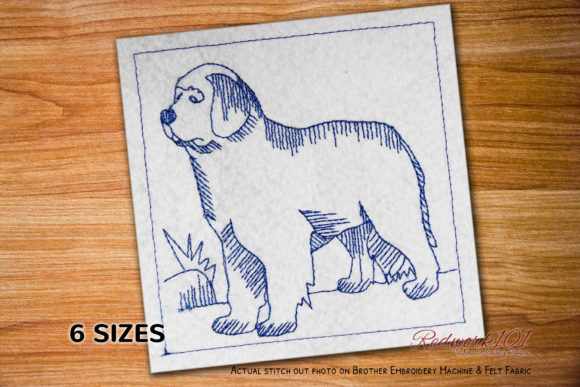
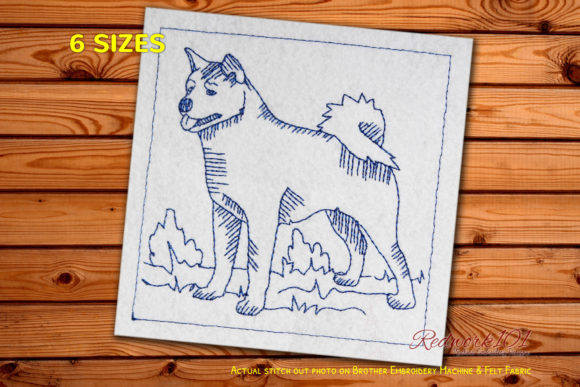
Upon loading the embroidery file into my editing software, the immediate impression of the Akita Dog Redwork Design is one of clean, confident lines. Redwork, by its nature, relies on a single color—traditionally red, though easily customizable—to create high-contrast imagery. This specific design captures the noble profile of the Akita with a simplicity that feels incredibly current. For a boutique brand, this is gold. We are moving away from the overly dense, shiny fills of the past and toward designs that let the fabric texture shine through.
The layout suggests a strong silhouette without unnecessary internal detailing that could muddy the stitching on thicker materials. The mood is undeniably rustic yet playful, striking a balance between a serious breed portrait and a cozy, decorative element. It does not scream "mass-produced"; instead, it whispers "handmade product," which is exactly what drives sales for Etsy sellers and independent creators. The absence of complex shading means the design relies entirely on the quality of the outline, making the stitch path crucial for a professional finish.
Fabric Compatibility and Color Strategy
One of the most exciting aspects of testing the Akita Dog Redwork Design was seeing how it interacts with different garment colors. For our sweatshirt collection, we selected a range of neutral tones: oatmeal, charcoal, forest green, and a soft dusty rose. On the neutral and dark fabrics, the traditional red thread creates a striking, bold contrast that draws the eye immediately to the chest or sleeve placement. However, the versatility of redwork allows us to pivot. By swapping the thread color to a deep navy or forest green, the same design takes on a more subtle, tonal appearance suitable for a sophisticated, understated look.
When working with sweatshirt embroidery, fabric thickness is a primary concern. Fleece-backed cotton blends can be tricky. Because this design appears to be an outline-heavy redwork style, it avoids the puckering issues often associated with large fill stitches on heavy knits. The stitch density seems light enough to prevent the fabric from distorting, provided the correct stabilizer is used. I recommend a cut-away stabilizer for these garments to ensure the finished product maintains its shape after multiple washes. The design feels strong enough for commercial embroidery use because it does not rely on fragile, tiny details that might get lost in the nap of the fleece.
Placement Versatility for Apparel
The scalability of the Akita Dog Redwork Design makes it a versatile asset for various placement options. For the main collection, we utilized a left-chest placement on oversized hoodies, creating a classic hoodie design that feels like a branded uniform for dog enthusiasts. The lines remain crisp even at this smaller scale, ensuring readability from a distance. However, the design also shines as a large back piece. When scaled up for the center back of a crewneck, the redwork lines become a statement graphic, turning a basic custom apparel piece into wearable art.
We also experimented with sleeve accents. Placing a smaller version of the Akita near the cuff adds a delightful surprise element for the wearer. This attention to detail elevates the perceived value of the small shop product. Customers love these hidden touches, and they photograph beautifully for lifestyle printable mockup previews used in online listings. Whether used as a focal point or a subtle accent, the design adapts well without losing its character.
Technical Considerations for Production
From a technical standpoint, there are a few specifics to address before running a full production batch. The product description notes that "The Box Stitch shown in picture is optional." This is a vital detail for any embroidery shop owner. In our testing, we chose to skip the outer box color to maintain a cleaner, more organic feel that aligns with current fashion trends. Removing the box allows the Akita profile to float freely on the garment, which often looks more premium than a contained badge-style logo. However, if you prefer a framed look, the option is there, offering flexibility for different branding needs.
It is essential to verify the hoop size requirements against your machine's capabilities, especially if you plan to scale the design significantly. While the file format and exact stitch count were not explicitly detailed in the initial brief, these are standard checks any professional must perform. Always review the stitch sequence to ensure there are no excessive jumps or trims that could slow down production time. Additionally, check the thread colors recommended by the digitizer; while redwork implies one color, some variations might include a second color for the eye or nose to add personality. If the design is strictly single-color, ensure your tension settings are perfect, as there is no other thread work to hide minor imperfections.
Enhancing Brand Identity and Value
Incorporating the Akita Dog Redwork Design into a collection does more than just decorate a shirt; it builds brand identity. For a niche focused on Dogs and Embroidery, consistency is key. Using a distinct, high-quality design helps customers recognize your products instantly. The clean lines of this redwork design convey a sense of craftsmanship and care, fostering buyer trust. When a customer sees a neat, pucker-free embroidery job, they associate that quality with your entire brand.
Furthermore, this type of design drives customer engagement. It is highly shareable on social media, particularly when styled in cozy, seasonal settings. The visual recognition of a well-executed Akita silhouette can turn a casual browser into a loyal follower. For creative entrepreneurs, this design serves as a reliable design asset that can be reused across seasons—on tote bags, beanies, or towels—maximizing the return on investment for the file purchase.
Ultimately, the Akita Dog Redwork Design proves itself to be a robust choice for modern apparel decoration. It bridges the gap between traditional craft and contemporary style. By paying attention to fabric choices, stabilizer selection, and strategic placement, you can transform this digital file into a tangible product that resonates with buyers. Just remember to double-check the specific file details regarding the optional box and hoop requirements before hitting start on your machine. With the right execution, this design is ready to anchor a successful, stylish collection.