Baby Chick: The Perfect Spring Embroidery Design for Craft Fairs
As an embroidery designer who has spent countless weekends setting up booth displays at local craft fairs and handmade markets, I know that the difference between a slow Saturday and a sold-out Sunday often comes down to one thing: visual impact. When I recently pulled up the Baby Chick machine embroidery design to evaluate it for my upcoming spring collection, my first instinct was to imagine it sitting on a table surrounded by linen tote bags, rustic aprons, and fluffy tea towels. This isn't just a digital file; it is a potential bestseller for any Etsy seller or boutique maker looking to capture the attention of customers seeking fresh, seasonal decor.
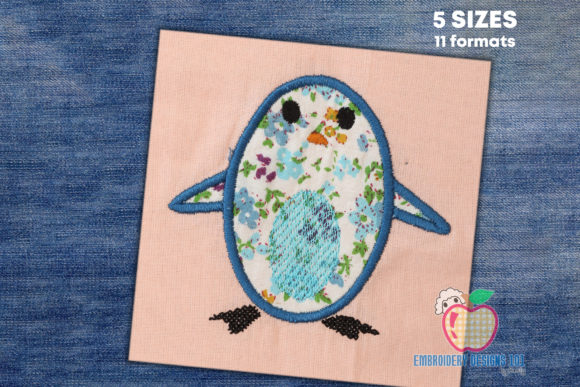
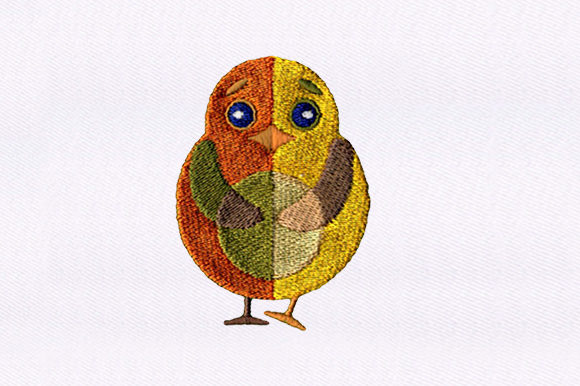
The immediate impression of Baby Chick is undeniably cute and inviting. In the world of Birds themed Embroidery, there is a fine line between childish cartoons and charming farmhouse aesthetics. This design leans heavily into the latter, offering a softness that appeals to a wide demographic, from new parents to home decorators. When planning your craft fair product lineup, you need items that stop people in their tracks. A design that radiates warmth and simplicity like this one does exactly that. It feels modern yet timeless, making it a versatile asset for both small shop products and larger commercial runs.
Maximizing Sales Potential Across Product Lines
The true test of any digital embroidery file is its adaptability. Can it translate well from a tiny patch to a large pillow cover? With Baby Chick, the answer is a resounding yes. I immediately envisioned this design as a centerpiece for a tote bag design series. Placed centrally on a natural canvas bag, the chick becomes a focal point that screams "spring renewal." For those focusing on kitchenware, apron embroidery featuring this motif adds a playful touch to functional gear, while tea towel embroidery allows for a set of four, creating an instant gift bundle that moves quickly off the table.
Beyond fabric goods, consider the power of the embroidered patch. Patches are low-cost, high-margin items that appeal to younger crowds at markets. Applying Baby Chick to a twill patch creates a collectible item that customers can iron onto denim jackets or backpacks later. Furthermore, for the online Etsy seller, this design photographs beautifully. Whether you are creating a printable mockup for your listing or staging a real-life photo on a textured throw pillow, the subject matter is inherently photogenic. High-quality images drive clicks, and a clear, adorable subject like a baby chick ensures your finished product stands out in a crowded search result page.
Production Realities and Stitch Quality
From a production standpoint, efficiency is key when preparing for a busy market season. One of the strengths of Baby Chick is its likely repeatability for batch production. However, before you start hooping dozens of blanks, you must pay attention to the technical details. While the specific stitch count isn't listed in the basic description, the available embroidery file formats—including DST, PES, EXP, and XXX—suggest broad compatibility with most home and commercial machines. Always verify the hoop size requirements for your specific machine model before purchasing, as this dictates which products you can realistically produce.
When working with stitch density, especially on plush items like towels or thick canvas, you need to ensure the design doesn't get lost. Dense areas can sometimes cause puckering if the wrong stabilizer is used. My advice is to test the design on scrap fabric that matches your intended inventory. If you are embroidering on a textured waffle weave towel, the fabric texture might obscure fine details. In such cases, using a water-soluble topper can help maintain the clarity of the chick's features. Similarly, if you plan to offer this on dark fabric, carefully select your thread colors to ensure high contrast; a yellow chick needs to pop against navy or black, not blend in.
Strategic Placement and Customer Engagement
In a live sales environment, how a customer perceives value is crucial. Baby Chick works exceptionally well as both a small accent and a large focal design. On a cap, it serves as a subtle, stylish emblem on the front panel, though one must be cautious of the curved surface affecting the registration of the stitches. On a market bag or pillow cover, it commands attention. This versatility allows you to create a tiered pricing structure at your booth: lower-priced small items like patches and pouches, and premium-priced large items like wall hangings or oversized totes.
Visual appeal drives buyer engagement. A cohesive booth display featuring multiple iterations of the same beloved character builds brand consistency. If a customer sees Baby Chick on a towel, then on a bag, and finally on a onesie, they begin to associate your brand with quality and charm. This repetition reinforces the desire to purchase. For commercial embroidery businesses, this design offers the scalability needed to fulfill bulk orders for local boutiques or baby showers, provided you have confirmed the commercial licensing terms associated with the file.
Final Designer Notes for Success
Before committing to a full production run, treat every new design with a critical eye. Create at least one real mockup to see how the light hits the threads and how the design sits on the garment. Compare different fabric colors to see which combination yields the highest perceived value. Remember that while the file formats provided (such as ART, JEF, VIP, VP3, and others) cover a wide range of machines, the responsibility lies with the maker to ensure the settings are optimized for their specific equipment.
Ultimately, Baby Chick represents more than just a pattern; it is a tool for connection. In the handmade market, customers buy stories and feelings. This design evokes nostalgia, joy, and the freshness of the season. By paying attention to the practical aspects of stitch density, material choice, and presentation, you can transform this simple image into a cornerstone of your spring inventory. Whether you are a seasoned pro or a creative entrepreneur just starting out, leveraging a strong, adaptable design like this is the surest path to a successful craft fair season.