Christmas Ball Design Ornament: A Pro's Review
As a designer who spends more time at the hoop than away from it, I approach every new machine embroidery design with a mix of excitement and skepticism. We've all been there: you buy a file based on a pretty thumbnail, only to find out later that the stitch density is too high for a tote bag or the details vanish on textured fabric. Today, I'm taking a close look at the Christmas Ball Design Ornament. This isn't just a quick glance at a preview image; this is an evaluation of how this specific embroidery file holds up when you are trying to create a sellable, high-quality handmade product for the holiday rush.
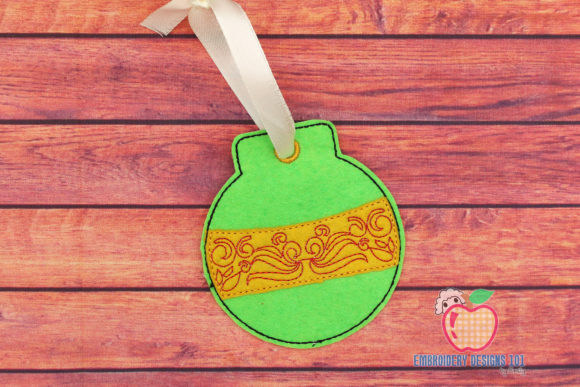
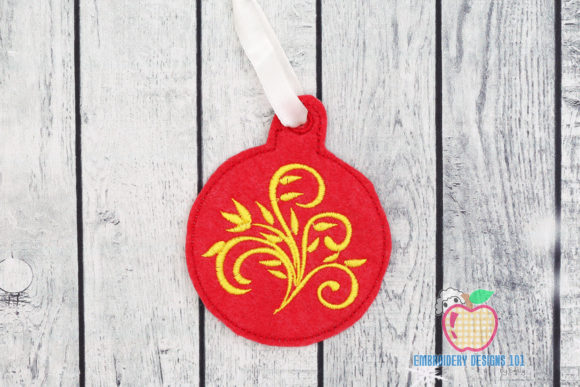
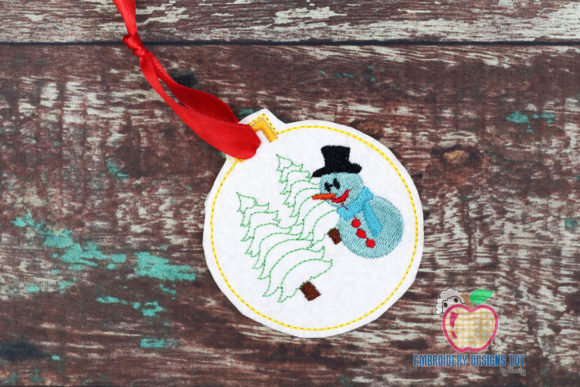
The first thing that strikes me about this design is its classic appeal. In a market flooded with overly complex or trendy graphics, there is something refreshing about a traditional ornament motif. The layout suggests a balanced composition that works well within the constraints of a 4x4 Hoop Size. For those of us running small shops or managing Etsy seller accounts, space is often premium real estate on a garment or accessory. A design that fits comfortably in a 4x4 area without feeling cramped is immediately valuable. It offers enough visual weight to be noticed but remains compact enough for versatile placement.
Real-World Application: The Holiday Gift Rush
To truly test the viability of the Christmas Ball Design Ornament, I imagined a specific client scenario. Let's say a boutique owner approaches you needing fifty personalized tea towels for a corporate holiday gift. They want something elegant, not cartoonish. This is where this design shines. Because it is an In The Hoop Machine Embroidery Ornament, it serves a dual purpose. You aren't just stitching a flat image onto fabric; you are constructing a three-dimensional object.
However, let's pivot to a more common use case for many of us: custom apparel. Imagine stitching this onto a heavy cotton sweatshirt. The circular nature of the ball design complements the curve of a left-chest logo placement perfectly. Unlike square or rectangular patches, a round ornament design feels organic on clothing. If you are creating sweatshirt embroidery for a family reunion or a school choir, this design provides a festive touch without overwhelming the garment. The included PDF tutorial is a crucial asset here. When you are producing items for sale, consistency is key. Having a step-by-step guide ensures that whether you are making the first item or the fiftieth, the construction method remains identical, preserving your brand's professionalism.
Technical Performance and Stitch Quality
When evaluating any digital embroidery file, the devil is in the details. How does the design handle different thread colors? A Christmas ball typically relies on the interplay of light and shadow to look spherical. If the design uses a smart combination of satin stitch for the outline and ribbon elements and a well-digitized fill stitch for the body of the ball, it will have a premium look. Poorly digitized fills can look blocky or sparse, ruining the illusion of a shiny ornament.
One critical factor to consider is stitch density. Since this is intended for a 4x4 hoop, the density must be managed carefully. If the stitches are too packed, the fabric might pucker, especially on lighter materials like a baby onesie or a linen napkin. Conversely, if the density is too low, the backing might show through, making the finished product look cheap. Before committing to a large run, I always recommend testing the design on scrap fabric that matches your final material. Check how the running stitch elements hold up; these are often used for fine details and can be prone to breaking if the tension isn't perfect.
For those considering this for commercial embroidery projects, think about the fabric texture. This design would likely pop beautifully on a smooth twill or a high-thread-count cotton. However, on a highly textured towel or a fuzzy fleece, some of the finer definition in the ornament's pattern might get lost. It is also worth noting that curved surfaces, like caps, can be tricky with round designs. While a ball shape seems like a natural fit for a hat, ensure your hooping technique is solid to prevent distortion during the stitching process.
Business Value and Customer Perception
Why choose the Christmas Ball Design Ornament over dozens of other options? It comes down to perceived value. An In-The-Hoop (ITH) project inherently feels more "crafted" than a simple flat stitch. When a customer receives a physical ornament they can hang on their tree, the tactile experience adds value to your craft business. It transforms a transaction into a memorable unboxing experience.
Furthermore, this design is versatile enough for various design assets. You can use it to create printable mockups for your online store before you even stitch a single thread. Visualizing the ornament on a velvet background or hanging from a rustic branch can help drive sales. For small shop product lines, consistency in theme is vital. This design fits seamlessly into a broader collection of holiday embroidery items, allowing you to offer matching sets—perhaps an ornament for the tree and a coordinating patch for a stocking.
Critical Considerations for Success
While the potential is high, there are areas where caution is necessary. Always verify the licensing terms before selling. Just because you purchase a file doesn't automatically grant you the right to sell unlimited finished products or the digital file itself. Read the fine print regarding commercial embroidery usage.
- Fabric Selection: Avoid using this on stretchy knits without a robust cut-away stabilizer. The structural integrity of an ITH ornament requires a stable base.
- Color Contrast: Test the design in black and white mockups first. If the details disappear in grayscale, they might get lost on dark fabrics or from a distance.
- Hooping: Since it fits a 4x4 hoop, ensure your machine's alignment is precise. There is little room for error in smaller hoops.
- Washability: If this is going on a garment that needs frequent washing, consider how the 3D elements of the ITH project will hold up. Reinforce any loose ends thoroughly.
In conclusion, the Christmas Ball Design Ornament appears to be a solid addition to a designer's library, particularly for those focusing on seasonal gifts and boutique items. Its strength lies in its traditional aesthetic and the added value of being a functional ITH project. By paying attention to fabric choice, stabilizer selection, and following the provided tutorial, you can elevate this from a simple file into a standout personalized gift or best-selling Etsy listing. As with any tool in our trade, the quality of the output depends on the skill and preparation of the operator. Treat this design with the respect it deserves, test your setups, and you'll likely find it becoming a staple in your holiday production line.