Priest Embroidery Design: A Designer's Review for Real Projects
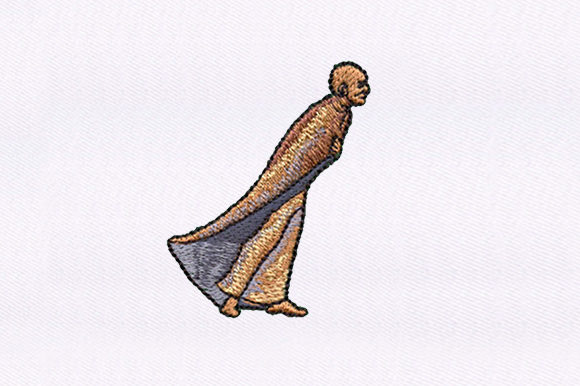
When I first pulled up the Priest machine embroidery design on my screen, I didn't just see a religious icon; I saw a potential centerpiece for a high-end boutique collection. As someone who spends hours tweaking stitch paths and testing fabrics, my immediate reaction to any new embroidery file is skepticism mixed with curiosity. Does this look like a digitized afterthought, or does it have the soul of a hand-crafted piece? With Priest, the initial impression is one of dignified movement. The depiction of a male priest walking isn't static; it carries a narrative weight that few Religion themed designs manage to capture without feeling stiff or overly cartoonish.
The visual personality of this design leans heavily on texture. The description promises beautifully detailed stitches, and in practice, this translates to a rich interplay of light and shadow once threaded up. For Etsy sellers and craft business owners, this is crucial. Customers today can spot a low-quality fill from a mile away. They want depth. When evaluating Priest for a real-world embroidery project, the first thing I noticed was the potential for excellent stitch density. It doesn't look like a flat block of color but rather a composed image where satin stitch outlines likely define the robes while fill stitch areas provide the necessary volume to the figure.
Visualizing the Finished Product in a Retail Setting
Let's move from the screen to the hoop. Imagine you are preparing a custom order for a local church gift shop or a parishioner looking for a meaningful personalized gift. You decide to use Priest on a heavy cotton tote bag. This is where the design truly shines. The walking pose suggests journey and service, making it perfect for a bag meant to carry hymnals, community outreach materials, or daily essentials. On a natural canvas tote bag design, the contrast of the thread against the fabric texture would create a rustic yet refined aesthetic.
However, versatility is key for any small shop product. I also envisioned this on a navy blue sweatshirt. Sweatshirt embroidery requires a design that can hold its own against thicker, looped fabrics. Because Priest relies on strong silhouettes and defined edges, it should perform well here, provided the underlay is sufficient. For custom apparel decorators, this design offers a way to create niche merchandise that feels exclusive rather than mass-produced. It's not just a logo; it's art. Whether applied to an apron for a church kitchen volunteer or a pillow cover for a home office, the design elevates the perceived value of the finished product.
Navigating Fabric Challenges and Technical Constraints
While the artistic merit is high, a professional reviewer must address the technical realities. Not every surface is ready for Priest. If you are working with stretchy fabrics like jersey knits for baby embroidery projects, caution is advised. The walking figure has distinct lines that could distort if the fabric shifts during stitching. In these cases, using a high-quality cut-away stabilizer is non-negotiable. You cannot risk the priest's robe looking warped after the first wash.
Similarly, consider the hoop size. While exact dimensions aren't specified in the base data, designs with vertical figures often require a taller hoop. If you are attempting to place this on a curved surface like a cap, you must ensure the design fits within the constraints of a cap frame without losing detail in the lower hem of the robe. Dense stitch areas, particularly in the darker sections of the clothing, might cause puckering on thin fabrics. I always recommend running a test on scrap fabric that matches your final material. Check how the thread colors blend; if the design uses subtle shading, ensure your thread brand matches the digitizer's intent to avoid banding.
Another critical factor is the background. On dark fabrics, you might need to adjust the pull compensation or add an extra layer of underlay to prevent the fabric from peeking through the fill stitch areas. Conversely, on white or light fabrics, ensure that the running stitches used for fine details don't create visible shadows that detract from the clean look. For those creating printable mockups or digital previews, remember that the texture of the embroidery will look different in photos than on screen. Lighting plays a huge role in showcasing the dimensionality of this specific design.
Commercial Viability and Brand Consistency
For commercial embroidery professionals, the question isn't just "does it look good?" but "does it sell?" The Priest design taps into a specific market segment that values tradition and faith. Using this as a design asset for a line of holiday gifts or wedding presents for clergy members could be a lucrative niche. The professionalism of the stitch work directly impacts customer trust. A sloppy execution ruins the solemnity of the subject matter, but a crisp, well-executed Priest embroidery reinforces the quality of your brand.
If you are an Etsy seller specializing in faith-based items, this design offers a fresh alternative to the ubiquitous crosses and doves. It tells a story of action and presence. When listing this item, focus on the craftsmanship. Mention the texture and the detailed nature of the walk. Buyers of handmade products are willing to pay a premium for items that show effort and skill. However, always verify the licensing terms. Just because a design is beautiful doesn't mean it is free for unlimited commercial resale. Confirm whether the license allows for selling finished physical goods versus digital redistribution.
Final Verdict for the Practical Maker
In conclusion, Priest is a compelling addition to any designer's library who works within the Religion category. It moves beyond simple iconography into the realm of character-driven art. Its strength lies in its ability to convey movement and dignity through thread. Whether you are creating an embroidered patch for a uniform, a decorative element for a nursery, or a standout piece for a craft fair, this design has the versatility to adapt—provided you respect the technical requirements of your chosen medium.
My advice is to start small. Stitch it out on a medium-weight cotton with a standard stabilizer to gauge the stitch density and color transitions. Once you are confident in the machine's handling of the details, scale up to more complex projects like layered garments or textured home decor. By treating Priest not just as a file but as a component of a larger creative vision, you can create finished products that resonate deeply with your audience. It is a design that demands respect in its execution but rewards the maker with a result that feels both timeless and contemporary.