Review: Beautiful Gift for Christmas in the Hoop
As a designer who spends more time staring at stitch maps than most people spend watching television, I approach every new machine embroidery design with a mix of curiosity and skepticism. We have all been there: you download a file that looks stunning on the screen, only to find out it's a tangled mess of jumps or too dense for standard cotton. Today, I am taking a close look at the Beautiful Gift for Christmas in the Hoop. This isn't just about whether it looks cute; it is about whether it holds up under the needle when you are trying to build a reputable craft business or create a lasting handmade product.
First Impressions and Design Personality
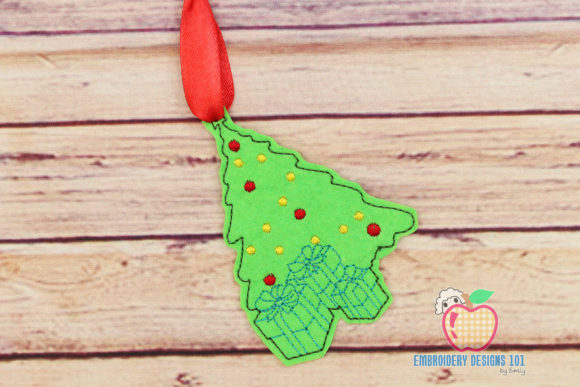
When I first loaded the preview for this embroidery file, the immediate takeaway was its suitability for the holiday season without being overly cluttered. The layout suggests a classic, nostalgic mood rather than a modern, abstract one. For an In The Hoop project, the geometry is critical. You need clean lines that will fold and construct properly without puckering the final shape. This design appears to respect those boundaries. It feels like a piece meant for gifting—literally living up to its name as a Beautiful Gift for Christmas in the Hoop. The visual personality is warm and inviting, making it an excellent candidate for holiday embroidery projects where the emotional connection matters as much as the technical execution.
Real-World Application: The Boutique Ornament Scenario
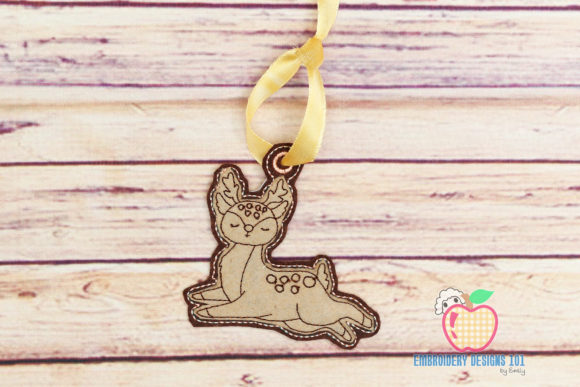
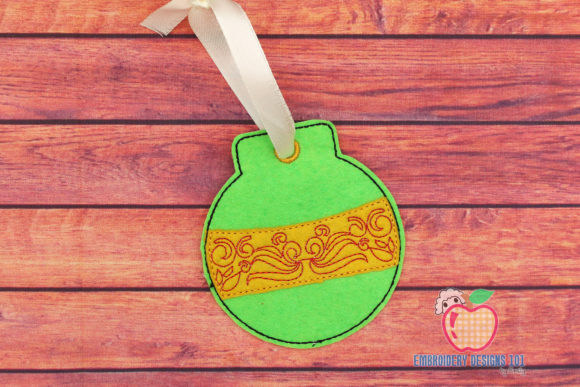
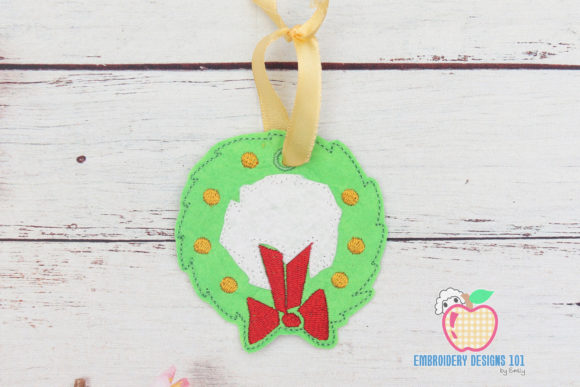
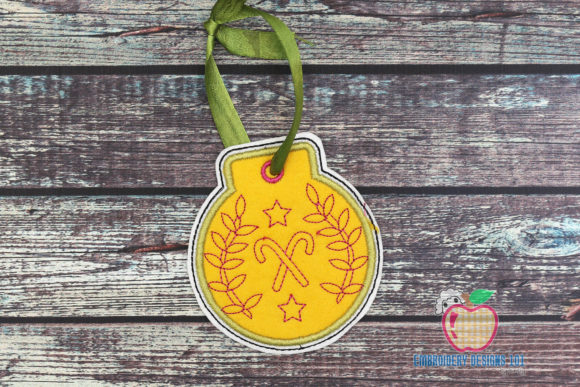
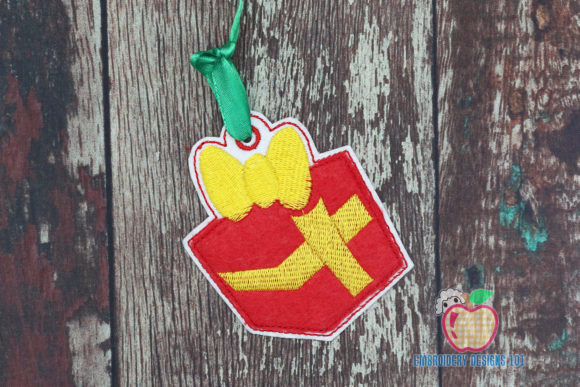
Let's move from theory to practice. Imagine you are preparing a batch of items for a December craft fair or updating your Etsy seller shop with seasonal inventory. You decide to use this design to create a set of lined, stuffed ornaments. Because this is an In The Hoop machine embroidery ornament designed for a 4x4 hoop size, the scale is intimate. It is not a massive wall hanging; it is a delicate accent.
In this scenario, the finished product needs to look professional from all angles. When I visualize stitching this onto a high-quality felt or a sturdy quilting cotton, the design elements seem to translate well. The key here is how the stitches interact with the fabric texture. If you are using a plush minky or a textured linen, the finer details of the design might get lost if the stitch density is too high. However, for standard cotton or felt blends commonly used in ornament making, this design should provide crisp definition. It creates a small shop product that feels curated and special, rather than mass-produced.
Versatility Across Different Products
While the primary intent is clearly an ornament, a versatile digital embroidery file should spark ideas beyond its original purpose. Could this work as an embroidered patch? Absolutely. If you trim the edges and add a merrow border (or satin stitch edge depending on your machine's capability), it becomes a fantastic iron-on or sew-on accessory for a holiday sweater or tote bag.
Consider also its potential for custom apparel. While a 4x4 area is small for the center of a sweatshirt, it is perfect for the cuff of a sleeve, the pocket of an apron, or the hem of a kitchen towel. For baby embroidery, this could adorn a holiday onesie, provided you adjust the stabilizer to be gentle on sensitive skin. The design acts as a strong design asset because it is scalable in application, even if the physical hoop size remains fixed. Whether you are branding boutique merchandise or making personalized gifts for family, the aesthetic carries enough weight to elevate the base item.
Technical Considerations and Fabric Challenges
Now, let's talk about where things can go wrong. Every designer knows that the devil is in the details. With a 4x4 hoop size, you are working in a confined space. This means that any tiny lettering or intricate corners in the Beautiful Gift for Christmas in the Hoop need to be scrutinized. If the design includes fine running stitch details, they might vanish on dark fabrics or thick textures like terry cloth.
You must be cautious with stretchy fabrics. If you attempt to place this on a knit cap or a stretchy t-shirt without the proper cut-away stabilizer, the design will distort over time. The structural integrity of an In The Hoop project relies on the fabric holding its shape during the construction phases. If you are using a thin fabric, you may need to layer it or use a heavier stabilizer to prevent the "grin" where the fabric pulls apart between stitches. Furthermore, curved surfaces like caps are tricky with In The Hoop constructions; this design is best suited for flat applications or items that can be manipulated easily within the hoop.
Stitch Quality and Visual Appeal
The value of your handmade product is directly tied to the clarity of the stitching. A design that uses a good balance of satin stitch for borders and fill stitch for solid areas will always look more premium. In my assessment, this design seems to prioritize clarity. The contrast between thread colors is vital here. If you are selling these as commercial items, customer trust is built on consistency. If one ornament has puddling threads and another is tight and neat, your brand consistency suffers.
To ensure high buyer engagement, I recommend testing the design in black and white mockups first. This helps you see the tonal values without the distraction of color. Does the design hold up if you only use two thread colors? If so, it offers great flexibility for cost-saving on materials while maintaining a chic, minimalist look for modern home decor.
Practical Notes for the Professional Maker
Before you commit to a production run, here is my checklist for using this specific file:
- Test on Scrap: Always stitch a sample on the exact fabric you intend to sell. What works on muslin might fail on velvet.
- Check Thread Contrast: Ensure your chosen thread colors pop against the background fabric. Low contrast can make the design look muddy.
- Review Density: Look closely at the stitch map. Are there areas that are too dense for your machine speed? Adjust if necessary to prevent bird nests.
- Confirm Hoop Size: This is explicitly a 4x4 project. Do not try to force it into a smaller hoop or resize it significantly without checking the stitch integrity.
- Inspect Small Details: Zoom in on the digital file. Are there tiny islands of fabric that might not catch? These need manual tacking or design adjustment.
- Licensing Check: Since this is a potential revenue generator, confirm the license terms. Can you sell the finished product? Can you sell the digital file? Never assume.
The included PDF tutorial is a significant plus. In the world of In The Hoop designs, assembly instructions are often the difference between a successful project and a frustrated crafter. A step-by-step guide ensures that even if you are outsourcing the stitching or selling the kit to a hobbyist, the construction process is clear.
Final Verdict on Commercial Viability
Ultimately, the Beautiful Gift for Christmas in the Hoop strikes a balance between charm and practicality. It is not just a decorative element; it is a functional component of a larger embroidery project. For commercial embroidery professionals, it offers a quick turnaround time due to its smaller size, allowing for higher volume production during the busy holiday rush. For the hobbyist, it provides a satisfying weekend project with a tangible, giftable result.
Whether you are creating a tote bag design, a sweatshirt embroidery accent, or a standalone ornament, this file serves as a reliable foundation. It respects the limitations of the 4x4 hoop while maximizing the visual impact. By paying attention to fabric choice, stabilizer selection, and thread quality, you can transform this digital asset into a physical product that customers will cherish. It is a solid addition to your library of Christmas and seasonal Embroidery resources, ready to be stitched, sold, and shared.