Smiling Horse: A Craft Fair Best-Seller Review
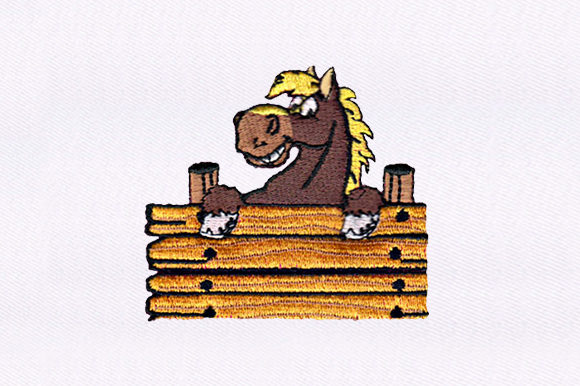
As an embroidery designer who has spent countless weekends behind a booth table, I know that the difference between a slow Saturday and a sold-out Sunday often comes down to one thing: visual impact. When I pulled up the Smiling Horse machine embroidery design on my screen this morning, my first thought wasn't about stitch counts or thread charts; it was about the customer walking past my display. In the crowded world of handmade product sales, you have seconds to catch an eye. This design, with its cheerful equine subject, immediately strikes a balance between rustic charm and modern whimsy that feels incredibly viable for today's market.
The title alone suggests a personality-driven piece. Unlike stiff, traditional crest-style Horses designs that scream "formal decor," a smiling horse implies approachability. It feels cute, slightly farmhouse, and undeniably friendly. For craft fair sellers and Etsy seller accounts looking to expand their catalog, this mood is gold. It appeals to animal lovers, equestrian enthusiasts, and anyone looking for a gift that brings a smile—literally and figuratively.
Visual Impact on Popular Craft Fair Products
When setting up a booth, variety is key, but cohesion is king. I imagined placing Smiling Horse on a canvas tote bag design. The contrast of a bright, happy horse against a natural beige or deep navy tote creates an instant focal point. Tote bags are high-traffic items at markets; people love them for grocery runs and library visits. A design that looks good while being carried around is free advertising. The simplicity of a smiling face ensures it reads well from three feet away, which is crucial when customers are browsing quickly.
Moving to the kitchen sector, apron embroidery and tea towel embroidery are staples. Here, the design shines as a centerpiece. On a flour-sack towel, the Smiling Horse would act as a charming accent near the hem or a bold statement in the center. However, one must consider the fabric texture. Towels have loops that can swallow small details. If the smile is too narrow or the eyes too tiny, they might get lost in the terry cloth. For aprons, specifically denim or heavy cotton twill, the design would pop beautifully, offering a professional look that elevates a simple garment into a small shop product worth the premium price tag.
I also see massive potential for embroidered patch production. Patches are low-cost, high-margin items that appeal to younger demographics and DIYers. A Smiling Horse patch could be ironed onto jackets, backpacks, or hats. Because patches are often viewed up close, the digitizing quality needs to be sharp. The provided file formats—including DST, PES, and EXP—suggest compatibility with most commercial and home machines, allowing for batch production of these hot-selling accessories.
Production Practicality and Batch Selling
For the commercial embroidery professional or the boutique maker gearing up for a busy season, repeatability is essential. Can you hoop, stitch, and trim this design ten times in an hour? The answer likely depends on the stitch density. Dense areas look premium and durable but take longer to stitch and require more thread. A smiling face design usually relies on satin stitches for outlines and fill stitches for the body. If the density is too high on a curved surface like a cap, the fabric might pucker. If it is too low, the backing might show through on dark fabrics.
This brings us to the critical topic of thread colors. A smiling horse likely utilizes browns, tans, or grays, perhaps with a pop of color for a bridle or background element. When producing for a fair, having a consistent color palette across your display helps brand recognition. Imagine a table where every item featuring the Smiling Horse uses the same shade of chestnut brown thread; it creates a cohesive collection rather than a random assortment of goods. This attention to detail signals to buyers that they are purchasing a high-quality finished product, not just a generic print.
Photography is another hurdle for online sellers. Does this design photograph well for a printable mockup or an actual listing photo? Designs with clear lines and good contrast translate better to digital screens. The expressive nature of a "smile" adds emotion to a static image, potentially increasing click-through rates on Etsy or social media. It tells a story without needing a paragraph of description.
Critical Considerations for the Embroiderer
Before committing to a large run of inventory, there are several technical factors to review. First, always test the digital embroidery file on scrap fabric that matches your final product. What looks perfect on a smooth poly-cotton blend might behave differently on a textured linen or a stretchy knit. Pay close attention to the underlay; if the design lacks sufficient underlay, the edges may fray after washing, ruining the reputation of your handmade brand.
Be wary of tiny details. If the Smiling Horse includes small lettering or intricate eyelashes, these elements may vanish when the design is resized smaller for a pocket or a child's item. Always check the minimum recommended hoop size listed in the design specifications. While the file list includes many formats like JEF, VIP, and XXX, ensuring you have the correct version for your specific machine model is vital to avoid conversion errors that can distort the smile.
Stabilizer choice cannot be overstated. For a design intended for frequent use, like a tote or apron, a cut-away stabilizer is often safer than tear-away to prevent distortion over time. On caps, the curved surface requires a sturdy topping if the fabric has a nap, ensuring the stitches sit on top of the fibers rather than sinking in. These technical choices define the difference between a product that lasts and one that ends up in the donation bin.
Maximizing Sales Potential
Ultimately, the Smiling Horse is more than just a pattern; it is a tool for engagement. At a craft fair, a friendly design invites conversation. It gives customers a reason to stop, smile back, and ask about your process. It fits seamlessly into themes ranging from "Farmhouse Chic" to "Equestrian Lifestyle." By leveraging this design across various design assets—from pillow covers to market bags—you create a unified brand presence that feels professional and inviting.
Remember to verify the licensing terms before selling. While the wide array of formats suggests broad usability, confirming that the license permits commercial embroidery sales is a non-negotiable step for any serious business owner. Once cleared, this design offers a fantastic opportunity to refresh your inventory with something that feels both timeless and trendy. Whether you are a seasoned vendor or a new creative entrepreneur, adding a touch of happiness to your products is a strategy that rarely fails.