Snowman in a Snowglobe: A Designer's Review for Holiday Projects
As we move deeper into the holiday season, the pressure to create unique, high-quality items for clients and personal gifts intensifies. I recently pulled the Snowman in a Snowglobe machine embroidery design from my library to evaluate its potential for real-world application. This isn't just about whether a file opens correctly; it is about how an applique design translates from a digital preview to a tangible, stitched product that holds up under scrutiny. For Etsy sellers, boutique owners, and hobbyists alike, understanding the nuances of a design before committing thread and fabric is crucial for maintaining professional standards.
First Impressions and Visual Personality
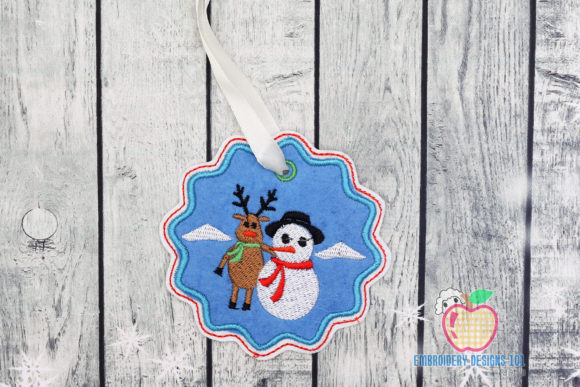
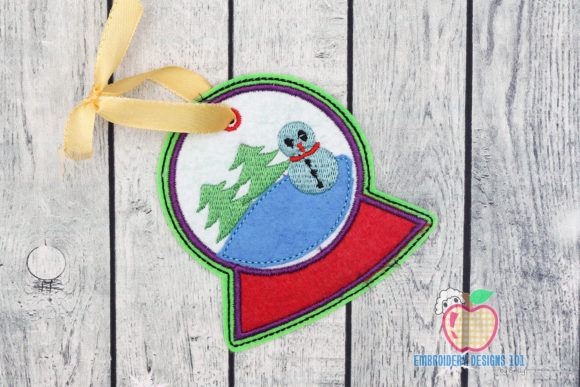
The initial visual impact of the Snowman in a Snowglobe is undeniably charming. It captures that nostalgic, storybook feeling associated with classic Christmas decor without veering into overly childish territory. The layout is compact and self-contained, which immediately suggests versatility. As an applique design, it relies on the interplay between fabric textures and stitch definition rather than just dense thread coverage. This approach often yields a more sophisticated finished product, as the fabric base adds depth that pure satin or fill stitches sometimes lack.
The shape is distinct—a circular globe framing a central snowman figure—which makes it naturally suited for placement on curved surfaces or as a focal point on flat goods. The mood it creates is warm and inviting, perfect for items meant to evoke comfort. However, a designer's eye must look past the cuteness to assess the technical execution. The balance between the snowman's details and the surrounding globe elements appears well-proportioned, suggesting that the digitizer considered scale carefully. This is vital when working with smaller hoop sizes where intricate details can easily get lost.
Real-World Application Scenarios
To truly test the viability of this embroidery file, I envisioned a specific project: a custom embroidered tote bag for a local craft fair. Tote bags are a staple for small shop products, but they present challenges due to their weave and potential for distortion. The Snowman in a Snowglobe design, being an applique, is theoretically excellent for this medium. By using a contrasting fabric for the snowman's body and the globe's interior, you can reduce stitch density while increasing visual interest. This makes the bag lighter and less prone to puckering compared to a fully stitched fill design.
Beyond tote bags, this design shines in the realm of custom apparel. Imagine it centered on a heather grey sweatshirt or a navy blue hoodie. The applique technique allows the garment's fabric texture to breathe, preventing that stiff, cardboard-like feel that heavy embroidery sometimes creates on soft knits. For baby embroidery projects, such as a holiday onesie or a nursery blanket, the soft edges of applique are gentler against sensitive skin. The design's contained nature also makes it an ideal candidate for embroidered patches. You could stitch it out on twill, cut it out, and apply it to caps, aprons, or even denim jackets, offering customers a versatile way to add holiday cheer to existing wardrobe pieces.
For those running a craft business, the commercial embroidery potential here is significant. The design works beautifully on pillow covers and tea towels, transforming standard home goods into personalized gifts. When creating printable mockups for your online store, the clear silhouette of the snowman within the globe renders sharply, making it an attractive asset for digital product previews. It signals quality and attention to detail, which helps build customer trust before they even see the physical item.
Technical Considerations and Fabric Challenges
While the aesthetic appeal is strong, practical usage requires careful planning. One major consideration with any applique design is the layering process. You must ensure your hoop size accommodates not just the final dimensions, but the extra fabric needed for the applique pieces themselves. If you are working on textured fabrics like waffle knit towels or thick fleece, the transition between the base fabric and the applique fabric needs to be seamless. A poor choice of stabilizer here can lead to shifting during the tack-down stitch, ruining the clean lines of the globe.
Dark fabrics present another variable. If you are stitching this on a black velvet pillow or a deep green apron, your thread colors must have sufficient contrast. The original product description mentions multiple embroidery file formats, which is a positive sign for compatibility, but it does not specify stitch counts or exact color palettes. Therefore, it is imperative to open the file in your editing software first. Check the stitch density in the snowman's features, such as the eyes, carrot nose, and scarf. On stretchy fabrics, high-density areas can cause tunneling or breakage over time. Testing the design on scrap fabric identical to your final material is non-negotiable.
Curved surfaces, like baseball caps, require extra vigilance. The circular nature of the snowglobe fits the cap's front panel well, but the curvature can distort the perception of the circle if not hooped correctly. Using a strong, cut-away stabilizer is recommended here to maintain the structural integrity of the design after repeated wear and washing. Additionally, pay close attention to the small details. Tiny lettering or minute satin stitch borders can disappear if the thread tension is slightly off or if the fabric pile is too high.
Enhancing Brand Value and Professionalism
In the competitive landscape of handmade products, the finish of your embroidery project speaks volumes about your brand consistency. A well-executed Snowman in a Snowglobe applique elevates a simple item into a boutique-quality piece. It shows that you understand how to manipulate materials, not just run a machine. This level of craftsmanship increases the perceived value of your work, allowing for better pricing strategies on platforms like Etsy or at local markets.
Customer engagement often hinges on these tactile details. When a buyer feels the smooth transition of the applique and sees the crisp definition of the satin stitch outlines, they recognize the effort involved. This fosters loyalty and encourages repeat business. Whether you are creating holiday gifts for family or inventory for a winter collection, the professionalism exhibited in the stitching clarity directly impacts buyer confidence.
Final Designer Notes and Recommendations
Before integrating this design into your workflow, take a moment to review the licensing terms. While the description indicates it comes in multiple formats suitable for various machines, confirming whether it is cleared for commercial use is essential if you plan to sell finished items or digital derivatives. Always inspect the file for jump stitches that might need trimming and verify that the trim commands are placed logically between color changes.
- Test First: Always stitch a sample on scrap fabric to check tension and registration.
- Contrast Check: Ensure your thread colors pop against your chosen fabric background.
- Stabilizer Selection: Match the stabilizer weight to the fabric type; heavier fabrics may need less support, while knits need robust stabilization.
- Mockup Verification: View the design in black and white to ensure the shapes remain distinct without relying on color cues.
- Licensing: Confirm the license allows for the sale of physical goods if you are a commercial entity.
The Snowman in a Snowglobe is a delightful addition to any holiday embroidery library. With its thoughtful applique construction and versatile layout, it offers a blend of charm and practicality. By approaching it with a critical eye toward fabric choice, stabilization, and finishing techniques, you can transform this digital asset into a standout physical product that delights customers and enhances your portfolio.