Cocktail Shaker Embroidery Design Review for Brands
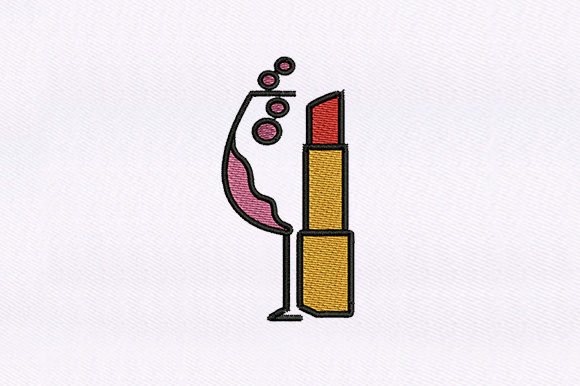
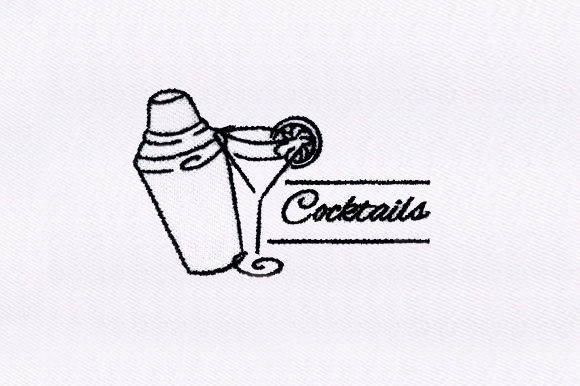
As an embroidery designer who has spent years digitizing and reviewing files for small business merchandise, I approach every new machine embroidery design with a critical eye. It is not just about whether the image looks cute on a screen; it is about how that digital embroidery file translates into a tangible asset that builds brand identity. Today, I am reviewing the Cocktail Shaker design, a piece categorized under Wine but possessing a versatility that extends far beyond vineyards. Based on the description promising a "simple line and monochromatic pattern," this design immediately signals potential for high-end, minimalist branding.
First Impressions: Professionalism Meets Playfulness
When I first loaded the preview of the Cocktail Shaker, the immediate takeaway was its clean aesthetic. In a market saturated with overly complex, multi-colored logos that turn into thread nests upon stitching, a monochromatic line art style is a breath of fresh air. This design feels modern, elegant, and slightly playful without sacrificing professionalism. For a boutique hotel bar, a local café adding evening service, or a handmade soap brand with a "mixology" theme, this visual personality hits the sweet spot. It avoids the rustic, distressed look that can sometimes read as cheap, opting instead for a crisp, contemporary finish that suggests quality.
The simplicity of the line work suggests that this embroidery file was likely digitized with clarity in mind. For business owners, this is crucial. A cluttered design loses definition when scaled down for a hat or a small patch. The Cocktail Shaker appears to rely on strong outlines rather than heavy fill stitches, which is excellent for maintaining legibility across various applications.
Real-World Business Applications
The true test of any design is its utility in a commercial setting. Here is how I see the Cocktail Shaker performing in real-world scenarios for small business merch and custom apparel:
- Embroidered Patches: This is arguably the strongest use case. A monochromatic shaker icon works perfectly as a woven or embroidered patch sewn onto canvas tote bags or denim jackets. It serves as a subtle badge of honor for staff or a collectible item for customers.
- Staff Uniforms and Aprons: For a cocktail lounge or a gourmet food truck, apron embroidery needs to be durable and readable. Placing the Cocktail Shaker on the chest pocket or the upper sleeve of a chef's coat adds a touch of thematic branding without overwhelming the uniform.
- Cap Embroidery: Front-center placement on a dad hat or a structured cap is tricky with detailed designs. However, the simple line nature of this design makes it a prime candidate for cap embroidery, provided the stitch count isn't too high for the curved surface.
- Tote Bag Design: Canvas totes are a staple for Etsy sellers and boutique owners. A large-scale version of this design on the side of a tote bag creates a stylish, reusable marketing tool that customers will actually want to carry.
- Product Packaging Accents: Beyond apparel, this design could be stitched onto fabric tags attached to wine bundles, gift baskets, or handmade product packaging, elevating the perceived value of the finished product.
Technical Considerations and Potential Pitfalls
While the aesthetic is promising, every embroidery designer knows that the devil is in the details. Before committing to a production run, there are specific areas where the Cocktail Shaker requires careful evaluation.
Stitch Density and Fabric Texture: Even with a "simple line" description, one must verify the stitch density. If the lines are too close together, they can cause puckering, especially on textured fabrics like pique polo shirts or heavy canvas. On dark uniforms, ensure the thread contrast is sharp; a midnight blue thread on a black shirt might look sophisticated in a vector file but disappear entirely once stitched.
Small Scale Legibility: If you intend to use this as a tiny logo on a collar tag or a small lapel pin, you must check if the fine lines hold up. Machine embroidery has physical limits; lines that are too thin may break or fail to register during the stitching process. Always request a test stitch-out at your smallest intended size.
Curved Surfaces: As mentioned regarding caps, the curvature of a hat front can distort wide designs. The vertical orientation of a shaker is generally favorable for caps, but you must confirm the hoop size compatibility. Some commercial machines have limitations on hoop sizes for tubular frames.
Impact on Brand Identity and Customer Trust
In the world of small business merch, consistency is king. Using a cohesive set of design assets helps build recognition. The Cocktail Shaker offers a versatile icon that can unify a brand's look across different mediums. When a customer sees the same clean, professional icon on your website, your staff's apron, and the tote bag they purchased, it reinforces trust. It signals that you pay attention to detail—a trait customers associate with high-quality products and services.
Furthermore, a well-executed embroidered logo adds tactile value. Unlike a printed vinyl decal that peels over time, embroidery implies permanence and durability. This enhances the handmade product feel, even if the items are commercially produced. It tells the buyer that the brand invests in quality, which directly influences buyer engagement and willingness to pay a premium.
Designer Notes for Production Success
To ensure the Cocktail Shaker delivers the best results for your commercial embroidery projects, follow these practical steps before going live:
- Test in Black and White First: Strip away the color variables. Stitch the design using only black thread on white fabric and vice versa. This reveals issues with spacing and density that color might hide.
- Verify Commercial Licensing: The description mentions the design comes with "mu" (likely multiple formats), but always confirm the license terms. Ensure you have the right to use the embroidery file for goods you intend to sell, not just for personal use.
- Select the Right Stabilizer: For a line-art design, the choice of stabilizer is critical to prevent shifting. Use a cut-away stabilizer for stretchy fabrics like jersey knits and tear-away for stable wovens like twill.
- Create a Printable Mockup: Before stitching a single thread, create a printable mockup superimposed on photos of your actual garments. This helps clients visualize the scale and placement, reducing the need for costly physical samples.
- Check Thread Color Contrast: If using this on dark uniforms, consider using a metallic or high-sheen thread to make the "simple line" pop, adding a touch of luxury to the Wine or hospitality theme.
- Inspect Spacing: Zoom in on the digitized file. Are there any jump stitches that are too long? Do adjacent lines risk merging? These micro-details determine the longevity of the design after frequent washing.
In conclusion, the Cocktail Shaker embroidery design holds significant promise for businesses looking to elevate their branded merchandise. Its monochromatic, line-based approach aligns perfectly with current trends in minimalist branding. However, success lies in the execution. By respecting the technical limitations of machine embroidery and carefully selecting the right fabrics and stabilizers, this design can become a cornerstone of your visual identity. Whether you are decorating aprons for a busy bistro or creating limited-edition patches for an online shop, this design offers the flexibility and professional polish needed to stand out in a crowded marketplace.