Flag of Scotland: A Bold Seller for Craft Fairs
As an embroidery designer who has spent countless weekends setting up booth displays at local craft fairs and handmade markets, I know that the difference between a slow Saturday and a sold-out inventory often comes down to one thing: visual impact. When I pulled up the Flag of Scotland machine embroidery design on my screen this morning, my first thought wasn't just about the stitches; it was about the customer walking past my table. Would they stop? Would they reach for their wallet? This review breaks down exactly how this specific design performs in the real world of selling handmade goods.
First Impressions and Visual Appeal
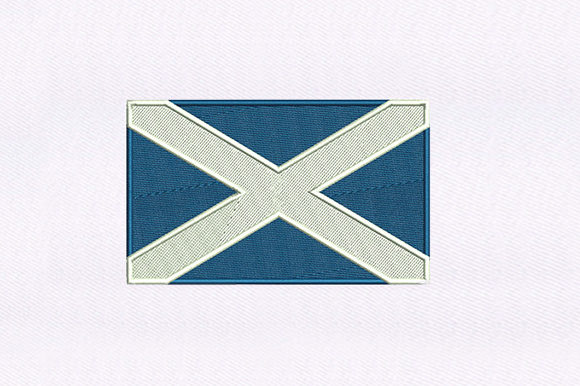
The immediate impression of the Flag of Scotland is one of bold simplicity. In a market saturated with overly complex, multi-colored designs that can look muddy from a distance, this design stands out because of its clarity. It feels modern yet timeless, carrying a rustic and patriotic weight without being cluttered. For an Etsy seller or a boutique maker, this kind of graphic strength is gold. It translates perfectly from a digital screen to a physical product. The high contrast inherent in the flag's motif ensures that it grabs attention even in a crowded booth environment. It is not "cute" in a whimsical sense, nor is it strictly "farmhouse"; rather, it occupies a space of dignified heritage that appeals to a wide demographic, from history buffs to those simply looking for a stylish statement piece.
Product Versatility for Market Tables
When preparing a table display for a weekend craft fair, versatility is key. You want designs that work across various substrates. Here is how the Flag of Scotland performs on common handmade products:
- Tote Bags and Market Bags: This is likely the strongest seller. A large focal placement on a natural canvas tote allows the design to breathe. The clean lines of the flag look exceptional against unbleached cotton, creating a premium, eco-friendly vibe that shoppers love.
- Aprons and Tea Towels: For kitchen textiles, this design adds a touch of sophistication. On a linen apron, it serves as a beautiful chest emblem. However, on tea towel embroidery, you must be mindful of the fabric texture. Loopy waffle weaves can sometimes distort fine details, so a tighter weave is preferable for crisp results.
- Caps and Hats: Embroidering on curved surfaces is tricky. Because this design relies on strong geometric shapes, it holds up well on caps, provided the digitizing accounts for the curvature. It makes for a subtle yet proud accent on a dad hat or a structured baseball cap.
- Patches and Pouches: Creating embroidered patches is a fantastic way to utilize this design. Customers love buying individual patches to iron onto denim jackets or backpacks. Similarly, small zippered pouches featuring this motif make excellent impulse buys at the checkout counter.
- Pillow Covers: For home decor, this design elevates a simple pillow cover into a statement piece. It works particularly well for seasonal displays around Independence Day or cultural celebrations, adding a festive but elegant touch to living spaces.
Production Practicality and Batch Selling
From a production standpoint, the Flag of Scotland is a dream for batch processing. One of the biggest hurdles for commercial embroidery businesses is managing thread changes and complex color sequences. This design appears streamlined, which suggests fewer stops and starts, allowing you to hoop multiple items and run them through your machine with minimal supervision. This efficiency is crucial when you are trying to stock up inventory before a big market weekend.
Furthermore, the design photographs beautifully. For online listings, lighting can often wash out intricate details, but the bold nature of this flag ensures that your printable mockup images and actual product photos remain sharp and recognizable even as thumbnails on mobile devices. This visual consistency helps build brand recognition across your social media and shop fronts.
Critical Considerations for Execution
While the design is strong, practical execution requires attention to detail. Before committing to a full production run, consider these technical factors:
- Stitch Density and Fabric Texture: If the design has dense stitch areas, it may cause puckering on lightweight fabrics like thin tea towels. Always test on scrap fabric first. You may need to adjust your tension or use a cut-away stabilizer instead of tear-away to maintain structural integrity.
- Thread Contrast: The success of this design hinges on the contrast between the thread colors and the base fabric. On dark fabric, ensure you have a solid underlay or consider using a white backing stabilizer to prevent the dark fabric from peeking through the lighter threads, which can ruin the crispness of the flag.
- Size and Clarity: If you plan to use this as a small accent on a pocket or a child's item, verify that the smallest details do not lose clarity. Tiny elements can get lost or become brittle if scaled down too far.
- Hoop Size: Confirm the required hoop size before purchasing. Ensure your machine's maximum hoop capacity can accommodate the design dimensions, especially if you plan to center it on larger items like pillow covers or full-back t-shirt designs.
Maximizing Sales and Customer Engagement
In the context of a craft fair, the Flag of Scotland acts as a conversation starter. It signals heritage and pride, which often prompts customers to share their own connections to the region or culture. This emotional connection increases the perceived value of the finished product. When a customer feels a personal resonance with an item, they are less price-sensitive and more likely to view the purchase as a meaningful acquisition rather than just a commodity.
For the digital embroidery file seller, offering this design in a comprehensive bundle of formats is essential. The availability of files like DST, PES, JEF, and XXX ensures compatibility with a vast range of machines, from home hobbyists to industrial setups. By providing a robust selection of design assets, you cater to a wider audience of small shop products creators who need reliability.
Final Designer Notes
Before listing this as a craft fair product or uploading it to your digital store, perform a rigorous quality check. Create at least one real physical mockup to see how the light hits the threads in person. Compare how it looks on different fabric colors to give your customers options. Most importantly, review the licensing terms associated with the machine embroidery design. Ensure you have the rights for commercial use if you intend to sell finished goods. With the right preparation, the Flag of Scotland is not just a pattern; it is a versatile, high-value asset that can anchor a successful collection of handmade goods.