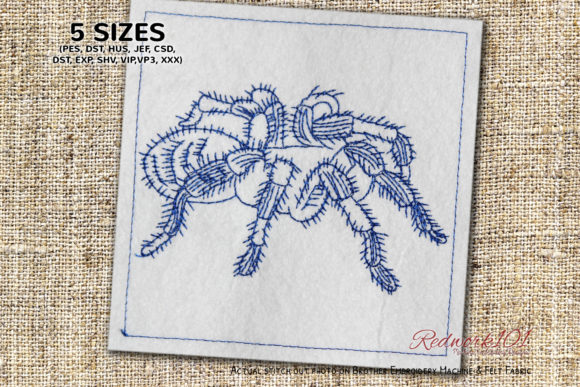
Hairy Tarantula Spider Redwork: A Bold Choice for Gifts
As an embroidery designer who has spent years digitizing and stitching thousands of designs, I am always on the lookout for files that offer both technical precision and artistic flair. When I first encountered the Hairy Tarantula Spider Redwork on Creative Fabrica, my initial reaction was one of intrigue. In a market saturated with floral motifs and generic monograms, finding a design that leans into the quirky, the gothic, or the nature-inspired "Bugs" category is a refreshing change. This review explores how this specific machine embroidery design can transform standard blanks into memorable handmade products for a niche but passionate audience.
First Impressions: Charm in the Creepy-Crawly
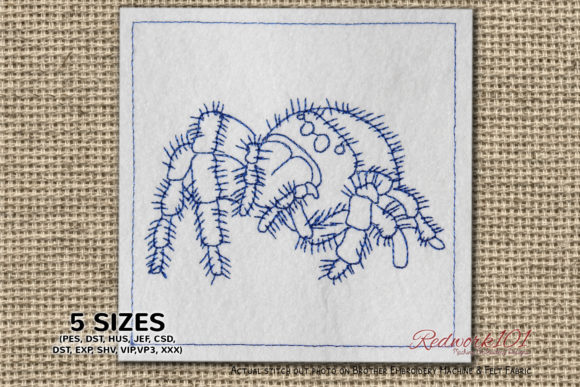
The visual appeal of the Hairy Tarantula Spider Redwork lies in its simplicity and boldness. Redwork, traditionally known for its single-color stitching, relies entirely on line quality and stitch density to create depth. Upon close inspection of the preview images, the design captures the texture of the tarantula's "hairy" legs without becoming overly dense, which is a common pitfall in insect embroidery. There is a certain playful elegance to it; it is not frightening, but rather stylized and cute in a modern, alternative way.
For designers looking to expand their catalog beyond baby showers and traditional weddings, this embroidery file offers a gateway to the Halloween market, the "spooky cute" aesthetic, and nature-loving demographics. The emotional value here is unique. While a flower says "sweet," a tarantula says "bold," "unique," and "fun." This distinction is crucial when creating personalized gifts that reflect the recipient's true personality rather than a generic sentiment.
Versatility in Handmade Products
The true test of any digital embroidery file is its versatility across different substrates. The Hairy Tarantula Spider Redwork shines in several specific applications for small shop products and Etsy listings:
- Nursery Decor with an Edge: Not every nursery needs to be pastel pink or blue. For parents who love nature or have a modern gothic style, this design works beautifully on blanket embroidery projects or wall hangings.
- Apparel and Accessories: Imagine this stitched onto the pocket of a black denim jacket, the back of a canvas tote bag, or even a beanie. The redwork style contrasts strikingly against dark fabric, making it a standout custom embroidery piece.
- Kitchen Linens: An embroidered towel featuring this spider makes a fantastic housewarming gift for friends who appreciate humor and quirks. It adds character to a plain tea towel instantly.
- Seasonal Crafts: While perfect for October, the "bugs" category allows this design to be used year-round for entomology enthusiasts, science teachers, or hikers.
When considering this for commercial embroidery projects, remember that the simplicity of redwork often translates to faster production times, allowing you to fulfill orders more efficiently during peak seasons.
Technical Considerations for the Stitcher
From a technical standpoint, working with insect designs requires attention to detail. The legs of a tarantula are long and delicate. When reviewing the Hairy Tarantula Spider Redwork, one must consider the stitch density. If the density is too high, the thread may bunch up, losing the definition of the individual legs. If it is too low, the fabric might show through too much, breaking the silhouette.
Before committing to a final run, I strongly advise creating a test stitch-out. Pay particular attention to the following practical concerns:
- Fabric Texture: Stitching on textured towels versus smooth cotton yields different results. On looped towels, fine details can get lost. You may need to adjust your stabilizer choice to ensure the design sits flat and crisp.
- Stabilizer Selection: For stretchy baby clothes or knit fabrics, a cut-away stabilizer is essential to prevent distortion over time. For woven home decor like pillow covers, a tear-away might suffice, but given the potential length of the spider legs, a mesh cut-away provides better long-term durability.
- Thread Color Contrast: Since this is a redwork design, the thread color is paramount. Classic red on white is traditional, but consider metallic gold on black for a luxury feel, or neon green on grey for a modern twist. The product description notes that the outer box stitch is optional and often a different color. Skipping this color stop can streamline your production if you prefer a standalone spider motif.
- Hoop Size: Always confirm the hoop size required before purchasing. Ensure your machine can accommodate the dimensions, especially if you plan to place the design on smaller items like sock tops or narrow apron bands.
Elevating Customer Trust and Perceived Quality
In the world of handmade goods, presentation is everything. Using a high-quality design like the Hairy Tarantula Spider Redwork signals to your customers that you care about unique aesthetics. When a buyer receives a finished product with clean lines and no thread breaks, their trust in your brand deepens.
This design also offers excellent opportunities for product photography. The stark contrast of redwork creates visually striking images for your online store. Whether you are creating printable mockups for digital sales or photographing physical embroidered items, the distinct shape of the tarantula draws the eye. It encourages buyer engagement because it stands out in a feed full of generic flowers and animals.
Furthermore, offering such a specific design helps you carve out a niche. Instead of competing with every other seller offering "Mom" mugs, you become the go-to shop for "cool," "alternative," or "nature-themed" embroidered goods. This specialization can significantly increase the perceived value of your handmade product.
Final Thoughts for Designers and Sellers
The Hairy Tarantula Spider Redwork is more than just a spooky decoration; it is a versatile tool for the creative entrepreneur. It bridges the gap between seasonal holiday crafts and year-round niche interests. However, as with any digital embroidery file found on platforms like Creative Fabrica, due diligence is key.
Before listing your finished products, always review the licensing terms provided by the designer. Ensure that the file format matches your machine's compatibility. Check the stitch count and color stops to estimate your production time accurately. If the design includes an optional box, decide early in your workflow whether to include it based on the item you are personalizing.
By paying attention to small details after stitching, comparing thread colors against your fabric swatches, and testing on similar materials, you can ensure that every Hairy Tarantula Spider Redwork item leaving your studio is of the highest quality. Whether you are making a wedding gift for a non-traditional couple, a baby embroidery piece for edgy parents, or stock for your next craft fair, this design offers the charm and reliability needed to succeed in the competitive world of custom embroidery.