Review: The Snail with the Rounds on the Back Design
As a designer who spends more time staring at stitch maps than actual fabric, I approach every new machine embroidery design with a mix of curiosity and skepticism. We've all downloaded a file that looked adorable on the screen but turned into a bird's nest of thread breaks and puckering on the hoop. That is why I took a close look at The Snail with the Rounds on the Back. This isn't just about whether a bug looks cute; it is about whether the digitizing holds up under the pressure of real-world production, client deadlines, and the wash cycle.
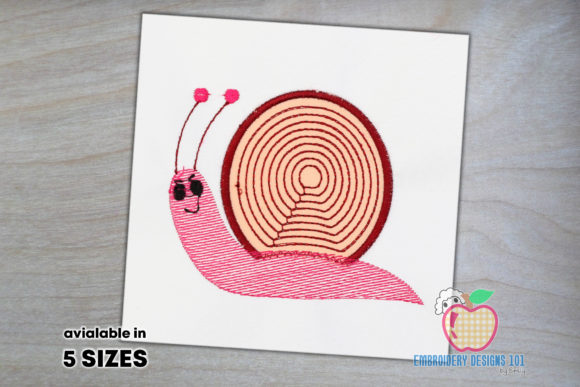
My first impression of this design is its playful simplicity. In the world of Bugs and nature-themed Embroidery, there is often a temptation to over-digitize, filling every inch with dense satin columns that stiffen the fabric. However, this snail design feels balanced. The "rounds" on the back suggest a spiral shell motif that likely relies on clean fill stitches rather than overly complex layering. This visual personality makes it incredibly versatile. It doesn't scream for attention; instead, it invites a closer look, which is exactly what you want for a boutique product or a personalized gift.
Putting the Design to Work: A Real-World Scenario
To truly evaluate this embroidery project, I imagined a specific use case that many of us face: a custom order for a local children's boutique needing a series of organic cotton tote bags and matching sweatshirts. The client wanted something whimsical but durable enough for daily use. The Snail with the Rounds on the Back fit this brief perfectly.
When visualizing this on a tote bag, the shape of the snail offers a solid footprint. It is wide enough to anchor the design without getting lost in the weave of canvas or twill. For the sweatshirt, the design's layout suggests it would sit comfortably on the chest or sleeve without distorting the knit fabric, provided the correct stabilizer is used. The mood it creates is gentle and slow-paced, aligning well with current trends in slow fashion and handmade aesthetics. For an Etsy seller or small shop owner, this kind of thematic consistency is gold. It allows you to build a collection around nature motifs without the designs feeling disjointed.
Performance Across Different Fabrics and Products
The true test of any digital embroidery file is how it behaves across different mediums. Based on the structure of this snail, here is how I anticipate it performing in various scenarios:
- Custom Apparel and Sweatshirts: On fleece or French terry, the design needs to breathe. If the stitch density is too high, the fabric will pucker around the shell. Assuming the steps are separated as described, this allows for better registration and less bulk, making it ideal for sweatshirt embroidery.
- Tote Bags and Aprons: These heavier fabrics can handle more density. The snail's rounds would pop beautifully against a natural linen or heavy canvas, creating a high-contrast handmade product that feels premium.
- Baby Embroidery: For onesies or bibs, softness is key. This design appears simple enough that, with a soft cut-away stabilizer, it won't irritate sensitive skin. It makes for an excellent personalized gift for a baby shower.
- Embroidered Patches: If you are looking to create merchandise, this shape translates well to a patch format. The defined edges of the shell and body make it easy to trim and finish.
However, caution is required when working with textured fabrics like waffle knits or highly stretchy performance materials. The "rounds" on the back rely on geometric precision; if the fabric shifts during stitching, those circles could look oval or distorted. Always test on scrap fabric that matches your final material.
Technical Considerations for Professional Results
While the description notes that the design comes with multiple file formats and separated steps, a professional reviewer must advise on the technical execution. You cannot simply load the file and hit start. Here are the critical factors to consider before stitching The Snail with the Rounds on the Back:
- Stabilizer Selection: This is non-negotiable. For woven fabrics like quilting cotton or linen, a medium-weight tear-away might suffice. However, for knits (t-shirts, sweatshirts) or stretchy caps, a cut-away stabilizer is essential to prevent the design from sagging over time.
- Thread Color Contrast: The visual appeal of this design hinges on the distinction between the body and the shell. When choosing thread colors, ensure there is enough contrast. A monochromatic look can be chic, but if the tones are too similar, the "rounds" will disappear, and the design will lose its character.
- Hoop Size and Placement: Even though the exact dimensions aren't listed here, always verify the hoop size requirement. If you are placing this on a curved surface like a cap, ensure the design fits within the limitations of your cap frame without hitting the seam.
- Stitch Types: Look closely at the stitch map. Is the shell using a satin stitch or a fill stitch? Satin offers shine but can snag; fill offers durability and texture. Understanding this helps you market the finished product accurately to your customers.
Commercial Viability and Brand Consistency
For craft business owners and commercial embroidery professionals, the value of a design extends beyond its looks. It is about reliability. A design that consistently produces clean results builds customer trust. If you are selling design assets or finished goods, the professionalism of the stitch-out reflects directly on your brand.
The Snail with the Rounds on the Back has the potential to be a staple in a nature-themed collection. Its simplicity allows it to pair well with other elements, such as floral applique design work or lettering. Imagine this snail paired with a whimsical font on a nursery pillow cover or a kitchen towel. The versatility increases the perceived value of the item. Furthermore, because the steps are separated, it offers flexibility for customization. You could easily change the shell color to match a customer's specific request without re-digitizing the entire file, a huge plus for offering custom apparel services.
One final note on licensing: The product description mentions it can be used in multiple machines, but it does not explicitly detail the license terms for resale. Before listing this as part of your small shop product line or including it in a bundle of printable mockup assets, you must confirm the creator's terms regarding commercial use. Some designers allow unlimited physical sales but restrict digital redistribution. Protecting your business means knowing these details upfront.
In conclusion, The Snail with the Rounds on the Back strikes a nice balance between charm and practicality. It avoids the pitfalls of over-complicated digitizing while offering enough detail to look professional. Whether you are decorating a holiday embroidery project, creating a unique tote bag design, or expanding your library of Bugs themed assets, this design warrants a spot in your folder. Just remember to respect the fabric, choose your stabilizer wisely, and always run a test stitch. That is the difference between a hobbyist attempt and a professional finished product that sells.