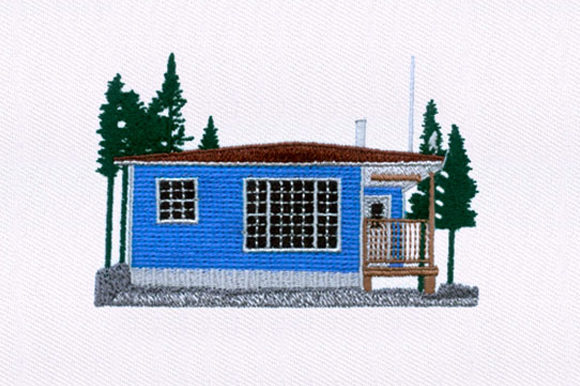
Beach Cabin: A Compact Coastal Design for Real Projects
As a designer who spends more time at the machine than anywhere else, I approach every new machine embroidery design with a critical eye. It is not just about whether the image looks cute on a screen; it is about how those thousands of stitches will behave on actual fabric, how the thread tension holds up after a wash, and whether the final product justifies the price tag for a customer. Recently, I took a close look at the Beach Cabin design, a compact coastal motif that promises to bring a touch of seaside charm to various projects. With a stitch count of 17,099 packed into a 4x4 hoop, this file demands respect for its density and detail.
First Impressions and Visual Personality
When I first loaded the preview of Beach Cabin, the immediate impression was one of cozy isolation. The layout captures the essence of a rustic retreat without getting bogged down in unnecessary complexity. At 3.77 inches wide by 2.46 inches tall, the proportions are nearly rectangular, making it an ideal candidate for placement on pockets, chest areas of apparel, or the corners of home goods. The visual personality strikes a balance between whimsical and structured. It does not scream "tourist trap"; instead, it feels like something you would find on a high-end boutique item or a personalized gift for someone who loves the water.
The design relies heavily on solid fill areas to define the structure of the cabin, which suggests a robust fill stitch application. This is crucial for durability. In my experience, designs that lean too much on running stitches can look skeletal on thick fabrics, but a design with this stitch count in such a small area indicates a dense, premium finish. The mood is serene, evoking thoughts of weekend getaways and salty air, which makes it highly marketable for specific seasonal collections or year-round coastal branding.
Real-World Application Scenarios
To truly evaluate Beach Cabin, I imagined several real-life production scenarios. The most obvious fit is sweatshirt embroidery. Imagine a heather grey crewneck with this design stitched on the left chest in navy and white threads. The density of 17,099 stitches provides enough coverage to stand out against the textured fleece without getting lost. It would also work exceptionally well as a central feature on a canvas tote bag design. The sturdy nature of canvas can handle the punch of this many stitches, and the coastal theme aligns perfectly with summer market trends.
For Etsy sellers and craft business owners, this design offers versatility. It could be the focal point of a kitchen towel set, bringing a vacation vibe to everyday linens. I can also see it working beautifully as an embroidered patch. If you stabilize correctly and use a tear-away backing, the finished product could be cut out and applied to denim jackets or hats later. For baby items, the scale is appropriate for a onesie pocket or a burp cloth corner, provided the fabric is stable enough to support the weight of the thread. The key here is recognizing that this is not a delicate outline; it is a substantial piece of art that adds value to the base garment.
Navigating Fabric Challenges and Hoop Constraints
While the potential is high, practical execution requires caution. The hoop size is listed as 4x4, which is standard, but the design dimensions (95.7 x 62.4 mm) utilize almost the entire width. This leaves very little margin for error when hooping. If you are working with stretchy fabrics like jersey knits or performance wear, you must use a high-quality stabilizer. A design with this level of stitch density can cause puckering if the fabric shifts even a millimeter during stitching. I strongly advise testing on scrap fabric of the exact same weight and weave before committing to a client's garment.
Textured fabrics present another consideration. On a waffle knit or a heavy terrycloth towel, the fine details of the cabin's windows or roofline might get slightly obscured by the fabric's loops. In these cases, increasing the contrast in your thread colors can help maintain definition. Conversely, on very thin fabrics like silk or lightweight rayon, this many stitches might be too heavy, causing the fabric to pucker or hang poorly. For dark fabrics, ensure your underlay settings in your software are optimized, or choose a design version that accounts for dark backgrounds to prevent the base fabric from peeking through the lighter thread colors.
Commercial Viability and Brand Consistency
From a business perspective, Beach Cabin is a strong asset for brand consistency. If you run a small shop product line focused on outdoor lifestyles or vacation rentals, this design serves as a recognizable logo or signature mark. Customers associate high stitch counts with quality; a flimsy design often signals a cheap product, whereas the substantial feel of this embroidery suggests professionalism. This builds customer trust and enhances the perceived value of your handmade product.
When creating printable mockups for your online store, this design photographs well because of its defined shapes. It translates clearly in digital previews, helping buyers visualize the finished product before purchasing. However, always verify the licensing terms associated with the digital embroidery file. Some designers allow unlimited sales of finished physical goods but restrict the resale of the file itself or limit the number of items you can produce commercially. Clarifying this upfront protects your craft business from legal issues down the road.
Final Designer Notes and Recommendations
Before launching this into production, I recommend a few final checks. First, review the stitch sequence. Does it jump excessively between color changes? Efficient sequencing saves time and thread. Second, test the design in both light and dark contexts to ensure the color palette you choose provides sufficient contrast. Third, consider the end-user experience. If this is going on a holiday embroidery gift or a frequently washed item like an apron, ensure the edges are secured well to prevent fraying over time.
The Beach Cabin design is a capable contender for your library of design assets. It fits naturally into the Beach category without feeling cliché, offering a refined take on coastal living. Whether you are decorating custom apparel for a family reunion, creating unique personalized gift items, or stocking inventory for a boutique, this file has the structural integrity to perform well. Just remember that the success of any embroidery project lies in the preparation. Respect the density, choose your stabilizer wisely, and let the quality of the stitch work speak for itself. With the right execution, this little cabin can become a big seller for your brand.