Steampunk Decoration: A Designer's Review for Real Projects
When I first pulled up the Steampunk Decoration file on my digitizing software, I wasn't just looking at a shape; I was evaluating a potential bestseller for my upcoming autumn collection. As someone who spends hours tweaking stitch paths and testing tension on various fabrics, I approach every new machine embroidery design with a critical eye. This isn't about whether a file opens correctly; it's about how that design translates from a digital embroidery file into a tangible, high-quality handmade product that a customer will cherish.
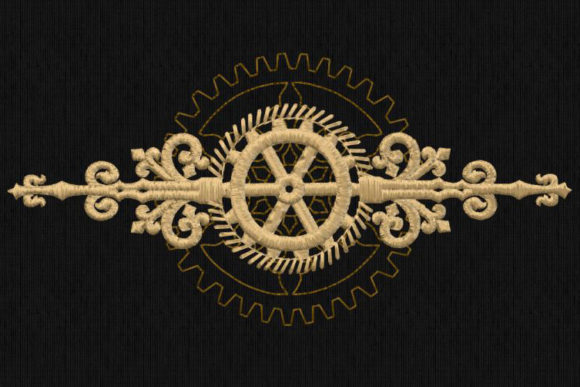
The initial impression of this motif is striking. It captures that specific industrial-meets-Victorian aesthetic perfectly without feeling cluttered. The layout suggests a balanced distribution of weight, which is crucial when you are working with a Shapes category item that needs to stand alone as a focal point. At 150mm by 71mm (roughly 5.9 x 2.8 inches), the dimensions offer a generous canvas for detail while remaining versatile enough for various applications. It feels substantial, like a badge of honor rather than a fleeting accent.
Visual Personality and Project Fit
The mood this design creates is one of rugged elegance. It speaks to customers who appreciate mechanical intricacy and vintage charm. In my experience, designs in the Embroidery space often fail because they try to do too much in a small area, resulting in muddy stitching. However, the spacing here looks intentional. I can already visualize how the satin stitch borders would catch the light against a matte background, while the internal fill stitch areas provide depth and texture.
This visual personality makes it an ideal candidate for specific niches. It is not a generic floral pattern; it has character. For an Etsy seller or a small shop product creator, this distinction is vital. It allows you to target a specific demographic—think gamers, history buffs, or fans of alternative fashion. When I consider where this fits best, my mind immediately goes to custom apparel like heavy cotton hoodies or denim jackets. The industrial theme pairs naturally with rugged fabrics.
Real-World Application: The Tote Bag Test
To truly understand the value of the Steampunk Decoration, I ran through a mental simulation of a real client order. Imagine a customer requesting a custom tote bag design for a local comic convention or a steampunk festival. They want something durable that looks professional but handmade. This motif is perfect for that scenario.
If I were stitching this onto a canvas tote, the 150mm width would span nicely across the lower third of the bag, leaving room for personalization above or below. The recommended minimum hoop size of 150×150 mm (or 10"x6") is standard for most mid-range machines, meaning most craft business owners won't need specialized equipment to run this. The aspect ratio is wide, which works beautifully on rectangular surfaces like table runners or pillow covers, as mentioned in the product notes.
However, the true test is in the details. How does it look after fifty washes? Does the stitch density hold up on a flexible fabric? Because this is a decorative motif, I would anticipate a mix of running stitches for fine lines and denser fills for the main bodies. On a tote bag, which undergoes significant stress, ensuring the underlay is sufficient is key. If the design relies heavily on long satin runs without proper tacking, it might snag. A prudent designer would test this on scrap fabric first to check for pull compensation.
Navigating Fabric Challenges
While the design is robust, context matters. Placing this on a thin, stretchy t-shirt requires caution. The density of a steampunk motif can sometimes be heavy, potentially causing lightweight knits to pucker or warp. In such cases, using a high-quality cut-away stabilizer is non-negotiable. For a sweatshirt embroidery project, the fleece provides enough body to support the design, but you must ensure your needle penetrates cleanly without pushing the fabric down into the throat plate.
Dark fabrics present another consideration. Steampunk themes often utilize metallics, coppers, and bronzes. If you are stitching this on black denim, you need to verify that your thread colors have enough contrast. A dark bronze on black might look sophisticated in person but disappear in photos, which hurts your printable mockup quality and online sales. Conversely, on a cream-colored linen tea towel, the same threads would pop dramatically, making it an excellent holiday embroidery gift or housewarming present.
I would also advise caution with curved surfaces like caps. While the size might technically fit a cap frame depending on your machine's capabilities, the wide 150mm span could be tricky to center perfectly on a structured front panel. It is better suited for flat items like aprons, patches, or wall hangings where the geometry remains true.
Commercial Viability and Brand Consistency
For those looking to expand their design assets library, the Steampunk Decoration offers strong commercial potential. Its unique style helps build brand recognition. If you specialize in "geek chic" or vintage-inspired goods, adding this to your lineup reinforces your niche authority. Customers trust sellers who offer cohesive, high-quality items. A sloppy stitch job on a complex design erodes that trust instantly.
Therefore, before listing this as a finished product or incorporating it into a line of personalized gifts, inspect the small details. Are the tiny gears distinct, or do they blend into a blob of thread? Is the transition between color changes smooth? These factors determine whether your item feels like a premium boutique product or a cheap novelty. The difference often lies in the thread tension and the choice of stabilizer.
Practical Notes for the Serious Maker
Before committing to a production run, here is my checklist for integrating this design into your workflow:
- Test on Scraps: Always stitch a sample on the exact fabric you plan to sell. Fabric texture changes how stitches sit.
- Check Contrast: View your test stitch-out in black and white to ensure the design elements separate clearly.
- Verify Licensing: Confirm the terms of use. Can you sell the physical item? Can you resell the digital file? Never assume.
- Stabilizer Selection: Match the stabilizer to the fabric weight. Heavy motifs on light fabric need serious support.
- Thread Quality: Use high-sheen rayon or polyester to enhance the metallic feel of the steampunk theme.
In conclusion, the Steampunk Decoration is more than just a digital file; it is a versatile tool for the creative entrepreneur. Whether you are creating a one-off embroidered patch for a friend or launching a new line of home decor, this motif holds up under scrutiny. It demands respect in its execution but rewards the diligent maker with a stunning, professional result that resonates with a dedicated audience. By understanding its limitations and leveraging its strengths, you can turn this single design into a cornerstone of your next successful embroidery project.